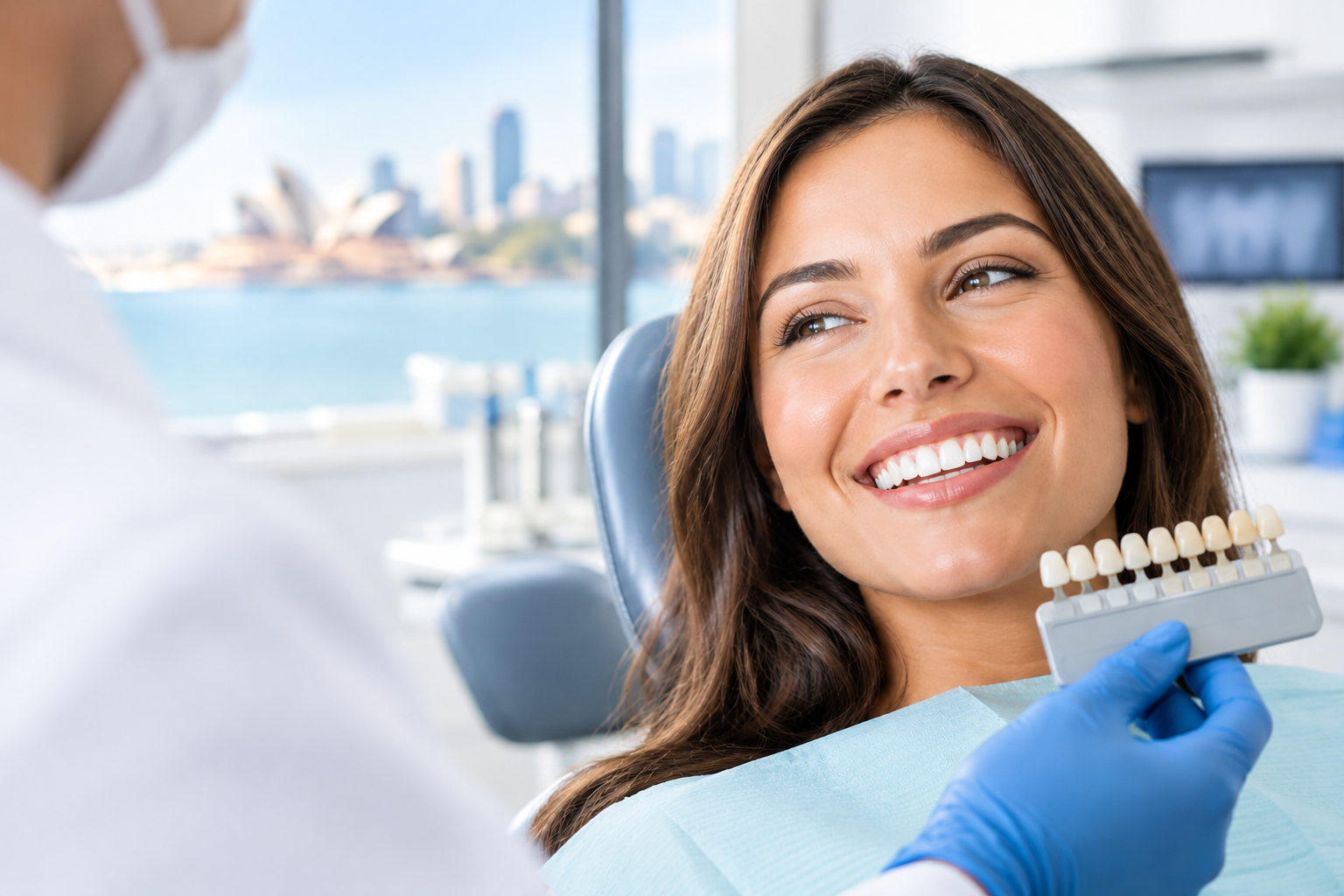
A confident smile can change the way people communicate, express themselves and experience everyday life. Yet modern dentistry is gradually challenging the idea that an attractive smile must come at the expense of natural tooth structure or long-term oral health. For Australians considering cosmetic dental treatment, the conversation is becoming more thoughtful, focusing not only on the appearance of teeth but also on their strength, function and future wellbeing. At the centre of this evolving approach are hybrid veneers and the growing importance of preventive oral health.
Beyond Aesthetics: Rethinking the Modern Smile Makeover
A smile makeover is often imagined as a purely cosmetic transformation, where uneven edges, discolouration and small gaps disappear beneath a carefully designed new appearance. However, healthy teeth are more than visual features. They are living structures that contribute to chewing, speech and the overall balance of the mouth.
This is why a smarter approach to cosmetic dentistry begins with understanding the condition of the teeth before deciding how they should look. Tooth decay, gum inflammation, enamel wear and untreated grinding habits can all influence the suitability and longevity of cosmetic treatment.
For Australian patients, the most valuable consultation is one that considers both immediate aesthetic goals and the long-term health of the mouth. Rather than treating every imperfection as something that must be concealed, a dentist can assess whether the underlying issue requires preventive care, restorative treatment or a cosmetic solution.
The result is a more considered philosophy: improve the smile without overlooking the biological structures that make it possible.
Understanding Hybrid Veneers and Their Role in Cosmetic Dentistry
Traditional porcelain veneers are thin, custom-made shells bonded to the front surfaces of teeth. They are commonly used to address selected concerns involving tooth colour, shape, size and minor alignment irregularities. Composite veneers, by comparison, use tooth-coloured resin that can be applied and shaped directly or indirectly.
Hybrid veneers are a term used for certain veneer approaches or materials that combine characteristics of different restorative technologies. However, the terminology is not completely standardised across the dental industry. The exact composition, fabrication method and clinical advantages can therefore vary between products and providers.
Depending on the specific system, hybrid materials may be designed to balance aesthetics, strength, repairability and a natural-looking finish. Their suitability depends on individual circumstances, including the patient’s bite, enamel condition, oral hygiene and expectations.
One important consideration is that no veneer material is universally superior. Porcelain, composite and hybrid veneers have different advantages and limitations. Some treatments may require removing a small amount of enamel, while others may be more conservative. Even minimally invasive procedures require careful planning because enamel does not naturally regenerate once removed.
Patients should ask their dentist what material is being used, how much natural tooth structure may need to be altered, and what maintenance the restoration will require. Understanding these details makes it easier to choose a treatment based on evidence and personal needs rather than marketing claims alone.
Preventive Oral Health: The Foundation of a Lasting Smile
Cosmetic dentistry is most effective when it works alongside preventive care, not as a substitute for it.
Before placing veneers, a dentist should evaluate the health of the teeth and gums. Active decay, untreated gum disease and other oral health concerns may need to be managed first. Addressing these issues helps establish a healthier foundation for restorative treatment.
Daily habits also play a significant role in maintaining the results. Brushing twice daily with fluoride toothpaste, cleaning between the teeth, limiting frequent exposure to sugary foods and drinks, and attending recommended dental check-ups can help reduce the risk of decay and gum disease.
Australians should also recognise that acidic drinks and frequent consumption of highly acidic foods can contribute to enamel erosion. People who grind or clench their teeth may place additional stress on veneers and natural teeth, making an assessment of their bite particularly important.
Preventive care does not simply protect the appearance of a smile. It helps preserve the natural teeth beneath any restoration, reducing the likelihood that cosmetic work will be complicated by avoidable dental problems.
Personalisation, Technology and Realistic Expectations
Digital smile design and modern imaging technologies can help dentists assess proportions, plan restorations and communicate potential treatment outcomes. In selected cases, mock-ups or temporary previews allow patients to discuss tooth shape, length and overall appearance before committing to treatment.
Nevertheless, digital planning is a guide rather than a guarantee. Photographs and computer-generated simulations cannot fully predict how a restoration will function in everyday life or how the mouth will respond over time.
A well-planned smile makeover should respect facial proportions, natural tooth characteristics and the patient’s preferences. The aim is not necessarily to create perfectly uniform, brilliantly white teeth. Instead, it is to achieve an appearance that feels harmonious while preserving appropriate function.
Patients should also understand that veneers are not permanent in the sense of requiring no future attention. They can chip, wear, debond or develop problems around their margins. Their lifespan varies according to material, clinical technique, oral habits and maintenance.
An honest discussion about costs, expected durability, possible repairs and future replacement helps Australians make decisions with a realistic understanding of both the benefits and responsibilities involved.
From Imperfections to Perfection: A Healthier Definition of Beauty
The phrase from imperfections to perfection captures the emotional appeal of a smile makeover, but a genuinely successful result does not require every tooth to look identical. Natural smiles contain subtle variations that contribute to their character, and the healthiest treatment plan is not always the most dramatic one.
For some patients, professional whitening may address discolouration without veneers. Others may benefit from orthodontic treatment, enamel-preserving restorative options or simply improved preventive care. Hybrid veneers may be appropriate for selected individuals, but their value depends on whether they solve a clearly identified problem without creating unnecessary treatment burdens.
Australians should feel comfortable asking questions, comparing suitable options and seeking a second opinion when a proposed treatment involves extensive or irreversible changes to healthy teeth.
Ultimately, smarter cosmetic dentistry is about making informed choices rather than pursuing an idealised image. It recognises that confidence and oral health are connected, and that a beautiful smile is most meaningful when it can be maintained comfortably over time.
The Future of Smile Makeovers Starts with Prevention
As cosmetic dentistry continues to evolve, the most important advancement may be a shift in priorities. Better materials and digital planning can expand treatment possibilities, but they cannot replace sound diagnosis, healthy habits and individualised clinical judgement.
Hybrid veneers may offer useful aesthetic solutions for suitable patients, yet their success begins long before the final restoration is placed. It starts with healthy gums, careful assessment, realistic expectations and a commitment to ongoing care.
For Australians considering a smile makeover, the smartest investment is not simply in a new appearance. It is in a balanced approach that respects the natural teeth, protects oral health and treats confidence as something worth building carefully. When prevention and personalisation guide cosmetic decisions, a smile can become more than an aesthetic achievement: it can reflect a thoughtful commitment to lasting wellbeing.